

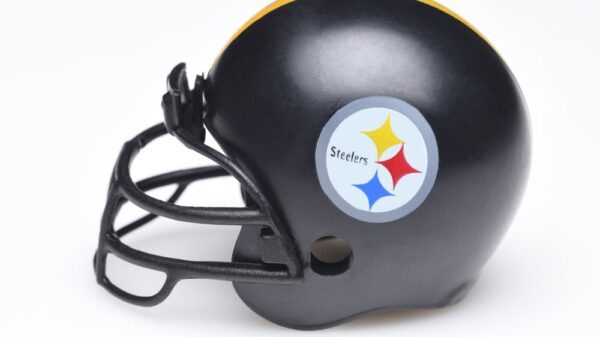








Few draft classes in recent memory have sparked as much polarized debate as the Pittsburgh Steelers’ 2026 selections. Depending on which analyst you consult, the organization either executed a masterclass in roster building or left significant value on the board. Despite the conflicting grades, the strategy was clear: Pittsburgh prioritized depth across both lines, secured a high-ceiling quarterback project, and added a versatile pass-catcher to a room already featuring DK Metcalf and Michael Pittman Jr.
However, the draft was not without its criticisms. The front office notably bypassed the inside linebacker position and used a premium third-round pick on a developmental quarterback who may not see the field for years. Amidst the tactical decisions, the team also provided one of the draft’s most emotional highlights by selecting a local Pittsburgh native in the final round. Now that the picks are locked in, we evaluate which individuals saw their stock rise or fall following this eventful weekend.
| Round | Pick | Player | Grade |
|---|---|---|---|
| 1 | No. 21 | Max Iheanachor, OT, Arizona State | B+ |
| 2 | No. 47 | Germie Bernard, WR, Alabama | A+ |
| 3 | No. 76 | Drew Allar, QB, Penn State | B |
| 3 | No. 85 | Daylen Everette, CB, Georgia | A |
| 3 | No. 96 | Gennings Dunker, G, Iowa | B- |
| 4 | No. 121 | Kaden Wetjen, WR, Iowa | C |
| 5 | No. 169 | Riley Nowakowski, FB, Indiana | B |
| 6 | No. 210 | Gabriel Rubio, DE, Notre Dame | C+ |
| 7 | No. 224 | Robert Spears, S, Oklahoma | B+ |
| 7 | No. 230 | Eli Heidenreich, RB/WR, Navy | B+ |
Winner: General Manager Omar Khan
Omar Khan demonstrated impressive poise after an early setback. The Philadelphia Eagles and Dallas Cowboys essentially boxed the Steelers out of a move for receiver Makai Lemon, a moment that was unfortunately captured on a viral video during the draft’s opening stages. While critics initially questioned Khan’s timing, he responded decisively on the draft’s second day.
Khan orchestrated a trade to move up six spots for Alabama’s Germie Bernard. Viewed by many analysts as one of the most reliable prospects in the class, Bernard offers the kind of versatility that fits perfectly into Brian Angelichio’s offensive scheme. The offensive coordinator emphasized Bernard’s character and “clutch” ability, noting that the receiver’s knack for making big plays in high-pressure SEC moments makes him a potential day-one contributor.
Loser: Roman Wilson
The selection of Bernard—and later Kaden Wetjen—puts immense pressure on third-year receiver Roman Wilson. After a standout collegiate career at Michigan, Wilson has struggled to find his rhythm in the pros, recording only 12 receptions over his first two seasons. While the Steelers’ wide receiver depth isn’t overwhelming, Wilson’s roster spot is no longer a guarantee.
During the 2025 campaign, veteran quarterback Aaron Rodgers pointed out that while Wilson shows flashes of talent, his “attention to detail” and route-running consistency need significant work. With fresh talent entering the building, Wilson must prove he can master the technical “craft” of the position if he hopes to remain part of the 53-man roster this summer.
Winner: Aaron Rodgers
If Aaron Rodgers decides to suit up for the 2026 season, he will find a significantly upgraded arsenal of weapons. The front office has been aggressive in surrounding the veteran with talent, adding Michael Pittman Jr. earlier this offseason and now drafting Bernard. Bernard’s reliable hands and ability to work the middle of the field should provide Rodgers with the security blanket he lost when Kenneth Gainwell departed for Tampa Bay in free agency.
Loser: Mason Rudolph
The drafting of Drew Allar has immediate implications for Mason Rudolph’s future in Pittsburgh. Reports indicate the Steelers may now be open to trading the veteran quarterback. Rudolph has served as a steady backup for years, but with the arrival of a high-upside rookie, his path to playing time has all but vanished. Unless Rodgers retires or the room suffers a significant injury, Rudolph appears to be the odd man out in a crowded depth chart.
Winner: Drew Allar
While his college career at Penn State was marked by some inconsistency, Drew Allar enters a nearly ideal professional environment. Head coach Mike McCarthy has a long history of developing quarterbacks, a trait that was a primary factor in his hiring. Allar also reunites with quarterbacks coach Tom Arth, who originally recruited him during his time at Akron.
Arth remains high on Allar’s physical tools, citing his 6-foot-5 frame and “effortless” arm talent as elite traits. Allar showed growth in accuracy during his junior year and led the Big Ten in touchdown passes as a sophomore. In Pittsburgh, he won’t be rushed into action, allowing him to refine his mechanics under a coaching staff specifically built to maximize his potential.
Loser: Will Howard
Will Howard’s trajectory as the heir apparent to the starting role took a hit this weekend. Although Howard was a key addition in Mike Tomlin’s final draft class, the current regime, led by McCarthy, has now used a significant asset to bring in Allar. McCarthy has stated he intends to develop every passer in the room, but the investment of a third-round pick suggests Allar might have the inside track on the long-term future. Howard has a history of overcoming adversity, but his path to QB1 just became significantly more complicated.
Winner: Patrick Queen
Heading into the draft, there was speculation that the Steelers might look for a younger, cheaper alternative to Patrick Queen at inside linebacker. Instead, the team went through all seven rounds without addressing the position. This signals a vote of confidence for Queen as he enters a pivotal contract year. Under new defensive coordinator Patrick Graham, Queen will be expected to increase his “splash play” production to secure a long-term future with the franchise.
Loser: Broderick Jones
The decision to draft Max Iheanachor in the first round is a direct challenge to Broderick Jones. Jones is still managing the lingering effects of a neck injury that ended his 2025 season, and the clock is ticking on his rookie contract. If Jones cannot participate fully in training camp, he risks losing his starting tackle spot to Iheanachor or veteran Dylan Cook. The competition on the offensive line has officially reached a fever pitch.
Winner: Eli Heidenreich
No player provided a better story than Eli Heidenreich. The Pittsburgh native and lifelong Steelers fan brings a unique skill set to the roster. During his time at Navy, Heidenreich proved to be a dynamic playmaker, averaging nearly 7 yards per carry and over 18 yards per reception. Coach McCarthy highlighted Heidenreich’s “four-down” potential, suggesting his versatility as a runner, receiver, and special teams contributor could make him a surprise standout during the preseason.
Summary of the 2026 Draft Class
The Pittsburgh Steelers’ 2026 draft was a blend of calculated risks and strategic depth-building. By addressing the trenches and adding high-upside projects like Drew Allar, the front office is clearly looking toward a future beyond the veteran core. While some established players like Roman Wilson and Mason Rudolph face uncertain paths, the influx of young talent like Germie Bernard and Max Iheanachor provides the team with a necessary infusion of competition. Whether this class is eventually viewed as a success will likely depend on the development of Allar and the health of the offensive line, but for now, the Steelers have successfully reshaped the competitive landscape of their roster.