


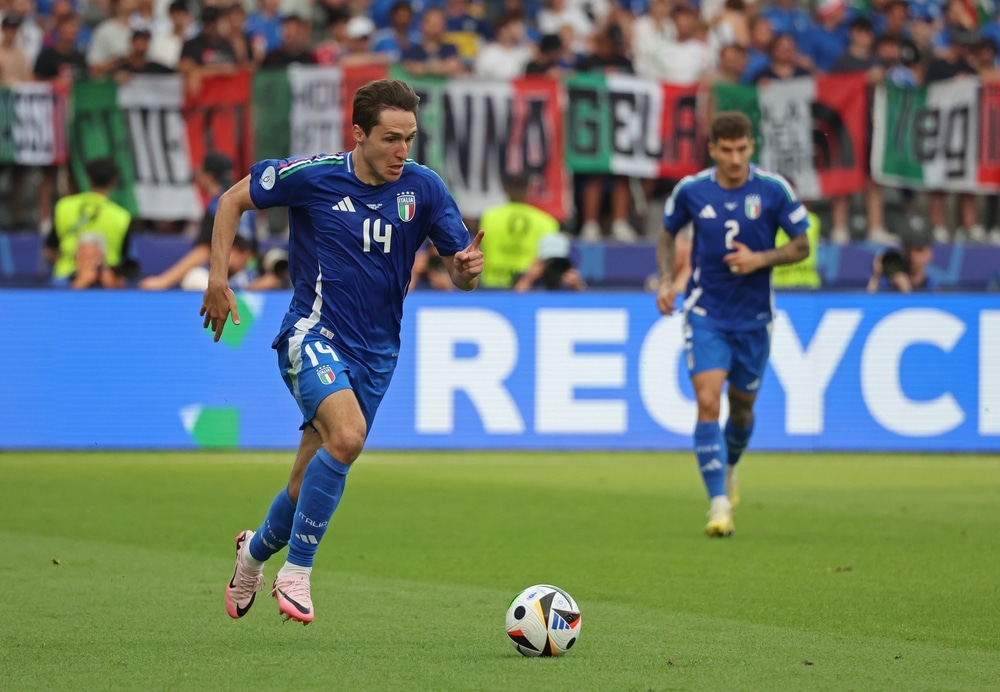
Italian football is currently navigating one of the most volatile periods in its storied history. Following a devastating loss to Bosnia-Herzegovina in the UEFA playoff final—a result that confirmed Italy will miss its third consecutive World Cup—the leadership of the sport has effectively collapsed. Within 48 hours of the defeat, Gabriele Gravina, the president of the Italian Football Federation (FIGC), resigned under mounting pressure from fans, media, and political figures. His exit was quickly followed by the departures of delegation chief Gianluigi Buffon and head coach Gennaro Gattuso. This mass exodus leaves the Azzurri in a state of flux as the nation prepares for a complete administrative and technical overhaul.
The fallout began immediately after Tuesday’s penalty shootout loss. Gravina initially attempted to hold his ground, stating that his future was a matter for the federal assembly rather than public opinion. This stance only served to intensify the national outcry. By Thursday, Gravina relented, stepping down and calling for new elections on June 22. This sequence of events mirrors past crises in 2014 and 2017, when former presidents Giancarlo Abete and Carlo Tavecchio resigned following World Cup failures. Interestingly, Gravina had managed to survive the 2022 qualification disaster against North Macedonia, largely due to the goodwill earned from Italy’s Euro 2020 victory, but the lack of a recent trophy made his position untenable this time around.
Contenders for the FIGC Presidency
The immediate focus for the federation is the appointment of a new president, a role that carries significant political weight. The election is handled by a federal assembly consisting of various stakeholders, including the professional leagues (Serie A, Serie B, and Lega Pro) and the amateur sector (Lega Nazionale Dilettanti), which holds the largest share of the weighted vote. They are joined by unions representing players, coaches, and referees. Because soccer is a vital component of Italy’s international image, the current government, led by Giorgia Meloni and Sports Minister Andrea Abodi, is expected to take a keen interest in the proceedings.
Currently, the frontrunner to succeed Gravina is Giovanni Malagò. As the former president of the Italian Olympic Committee (CONI) and the current leader of the Milano Cortina 2026 Winter Olympics, Malagò possesses the high-level administrative experience required for such a crisis. There is also the possibility that the Italian government could bypass the traditional election process by appointing a special commissioner to lead the FIGC. While names like former AC Milan icon Paolo Maldini and past president Giancarlo Abete have been linked to the vacancy, the final outcome will likely depend on whether the state decides to intervene directly or allow the soccer assembly to vote independently.
The Future of the Italy Managerial Position
Once the presidential office is filled, the new leadership must turn its attention to the dugout. While the manager’s identity is the most discussed topic among fans, experts suggest that fixing Italy’s aging infrastructure and lack of long-term planning is a more pressing concern. Reports indicate that Silvio Baldini, the current Under-21 head coach, will serve as an interim manager through the summer months. This provides the incoming FIGC president enough time to conduct a thorough search for a permanent successor.
Elite tacticians such as Antonio Conte and Massimiliano Allegri have already emerged as early favorites for the position. However, both managers would likely demand significant assurances regarding the federation’s future direction before committing to the project. The consensus within the Italian sporting community is clear: a new coach alone cannot fix the systemic issues plaguing the national team. Without a unified strategy between the government, the federation, and the domestic clubs, the Azzurri risk remaining in the wilderness of international soccer for years to come.
Ultimately, Italian soccer is at a critical juncture where it must choose between another temporary fix or a fundamental restructuring. The upcoming June elections will be the first step in determining whether the four-time world champions can modernize their approach and return to the pinnacle of the global game. Success will require more than just a new name at the top; it will require a complete cultural shift in how the country develops talent and maintains its footballing heritage.