














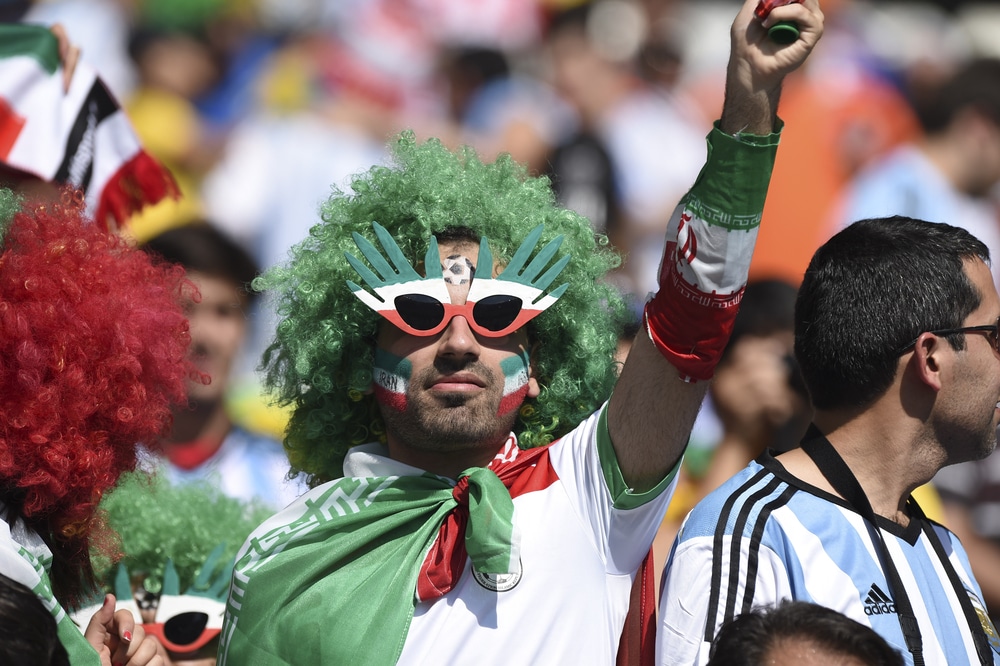
Iran’s inclusion in the upcoming FIFA World Cup remains shrouded in uncertainty as escalating regional conflict creates a logistical and diplomatic crisis for world football’s governing body. With the tournament fast approaching, the intersection of sports and global politics has placed the Iranian national team’s participation under intense scrutiny.
The situation reached a critical point following a joint military operation involving the U.S. and Israel that began on February 28. On Wednesday, Ahmad Donyamali, Iran’s Minister of Sport and Youth, signaled that the national team would likely abstain from the competition. Donyamali cited the assassination of a high-ranking Iranian leader during recent missile strikes as a primary reason, stating that participation is impossible under current conditions. He emphasized concerns over player safety and characterized the geopolitical climate as an insurmountable barrier to entry.
While these ministerial comments have fueled speculation, an official withdrawal has not yet been filed with FIFA. With only three months remaining until the tournament kicks off, several key questions regarding the team’s status remain unanswered.
Examining the Official Statements and Diplomatic Friction
FIFA has largely remained silent regarding the potential absence of Iran, choosing instead to reference a meeting between President Gianni Infantino and U.S. President Donald Trump. An official statement noted that while Iran has qualified for the 2026 event, the logistics of their participation are being monitored. During these discussions, Trump initially indicated that the Iranian squad would be allowed to compete on American soil.
However, the diplomatic tone shifted on Thursday when Trump suggested that the Iranian team should reconsider traveling to the U.S., citing concerns for their “life and safety.” This followed a previous comment where he expressed indifference regarding their presence at the tournament. In response, the Iranian national team issued a defiant social media statement, asserting that FIFA—not any individual nation—holds the authority to determine participation. The team criticized the United States’ ability to provide a secure environment for international athletes, arguing that their hard-earned qualification cannot be easily stripped away.
Iran’s Scheduled World Cup Fixtures
As of now, Iran is slated to compete in Group G. Their current schedule includes the following matches:
- June 15: vs. New Zealand at SoFi Stadium (Inglewood, CA)
- June 21: vs. Belgium at SoFi Stadium (Inglewood, CA)
- June 26: vs. Egypt at Lumen Field (Seattle, WA)
Has Iran Officially Resigned from the Tournament?
Despite the strong rhetoric from government officials, neither FIFA nor the Football Federation Islamic Republic of Iran (FFIRI) has confirmed a formal withdrawal. It remains unclear if the federation has initiated the official paperwork required to vacate their spot in the tournament. Until a formal declaration is made, the team technically remains a part of the 48-team field.
Navigating FIFA’s Regulations on Tournament Withdrawals
If Iran does decide to pull out, FIFA will look to Article 6 of the 2026 World Cup regulations to determine the next steps. These rules provide the governing body with significant latitude to address vacancies caused by “force majeure” or voluntary withdrawal.
Regulation 6.5 and 6.7 stipulate that if a member association withdraws or is excluded, FIFA’s organizing body has the “sole discretion” to decide on a course of action. This includes the possibility of replacing the withdrawing nation with another association to ensure the tournament’s integrity and schedule remain intact.
Potential Contingency Plans for the FIFA Governing Body
FIFA essentially faces two paths if Iran’s spot becomes vacant. They could choose to proceed with a three-team group in Group G, or they could invite a replacement nation. Reducing the group size presents significant challenges for the knockout stage format. In the new 48-team structure, 32 teams advance, including the best third-place finishers. A team in a three-nation group would be at a distinct disadvantage, as they would have fewer opportunities to accumulate the points and goal difference needed to secure a wildcard spot.
Evaluating Potential Replacement Teams from the AFC
Should a replacement be required, FIFA would likely turn to the Asian Football Confederation (AFC) to maintain regional balance. Iraq is the most logical candidate, having been the final team to miss out on a direct qualification spot. However, Iraq is facing its own set of complications. Regional instability has led to the closure of local airspace, complicating the team’s travel for upcoming playoff matches.
Iraq’s head coach, Graham Arnold, has already petitioned FIFA to adjust schedules, as his squad is currently hindered by travel restrictions. Arnold has floated the idea of Iraq taking Iran’s direct berth or moving their intercontinental playoff matches to the U.S. early to avoid travel lockdowns. If Iraq were promoted, their current playoff spot could theoretically go to the United Arab Emirates, though they too are grappling with restricted airspace due to the ongoing conflict.
The Status of the Intercontinental Playoff Pathway
The battle for the final spots remains ongoing, with critical matches scheduled to take place at Estadio BBVA in Mexico:
- March 26: Bolivia vs. Suriname
- March 31: Winner of Bolivia/Suriname vs. Iraq
Final Summary
The potential withdrawal of Iran from the World Cup creates a complex intersection of safety concerns, sporting regulations, and international diplomacy. While the Iranian government has voiced its intent to skip the tournament, the official status of the team remains in limbo. FIFA now faces the difficult task of balancing its tournament regulations with the unpredictable realities of global conflict, leaving fans and competing nations waiting for a definitive resolution as the June kickoff approaches.