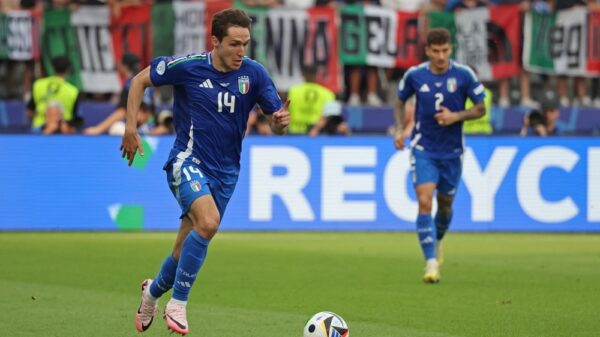





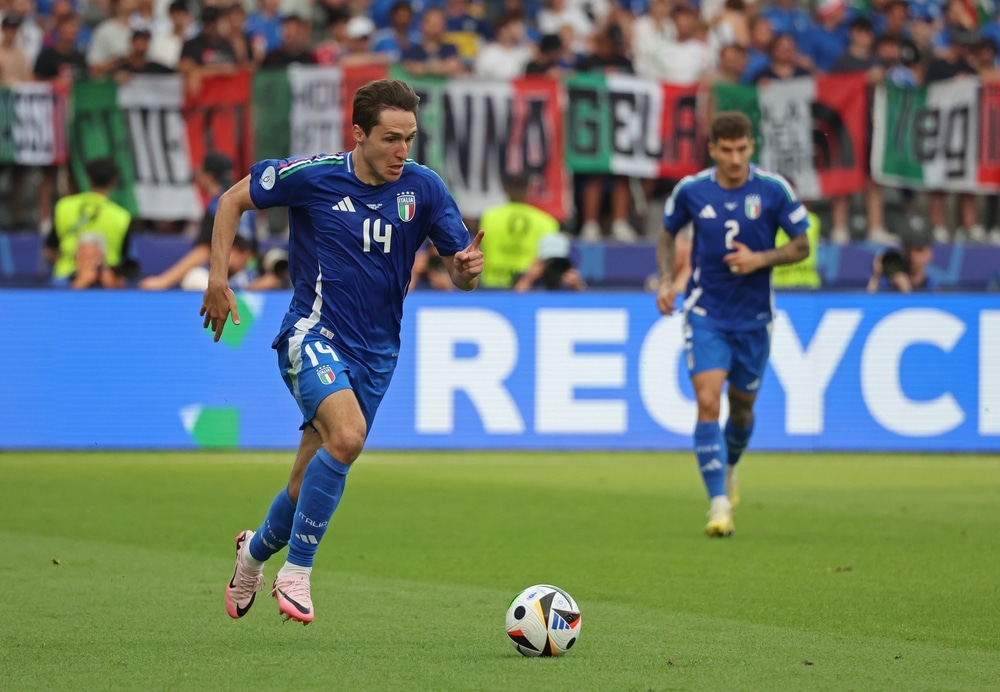
Italian soccer is currently navigating a period of profound transition following a historic collapse on the international stage. Just days after a devastating loss to Bosnia-Herzegovina in the UEFA playoff final—a result that confirmed Italy would miss its third consecutive World Cup—the leadership of the Italian Football Federation (FIGC) has been completely dismantled. Under immense pressure from fans, media, and political figures, FIGC President Gabriele Gravina has officially resigned. His departure triggered a domino effect, leading to the exits of delegation head Gianluigi Buffon and manager Gennaro Gattuso.
The resignation of Gravina marks the end of a tumultuous chapter and the beginning of an uncertain search for a new direction. While the country has faced similar leadership crises over the last twenty years, this particular vacuum feels more significant given the repeated failure to reach the world’s biggest sporting event.
In the immediate aftermath of the penalty shootout defeat, Gravina initially resisted calls to step down, suggesting that only the federal assembly held the authority to decide his fate. However, as public frustration reached a breaking point, he relented, announcing his resignation and scheduling new elections for June 22. This pattern of high-level exits following World Cup disappointment is becoming a somber tradition in Italy; Giancarlo Abete resigned in 2014, and Carlo Tavecchio followed suit in 2017 after the country failed to qualify for the first time since 1958. Notably, Gravina had managed to retain his position in 2022 despite a shocking playoff loss to North Macedonia, a reprieve largely granted because the team had won the UEFA Euro 2020 just months prior.
Potential Candidates to Lead the Italian Football Federation
The FIGC’s most pressing task is identifying a successor to Gravina. The election process is complex and deeply political, governed by a federal assembly with a weighted voting system. This assembly represents a cross-section of the sport, including the professional tiers (Lega Serie A, Lega Serie B, and Lega Pro) and the amateur sector (Lega Nazionale Dilettanti), which actually holds the most significant voting power. Additional votes are cast by the players’ union (AIC), the coaches’ association (AIAC), and the referees (AIA).
Because the FIGC president is such a prominent figure, the role is heavily influenced by national politics. The current Italian government, led by Giorgia Meloni and Sports Minister Andrea Abodi—who previously headed Lega Serie B—is expected to play a role in the selection process. The health of Italian soccer is viewed not just as a sporting concern but as a vital component of the country’s international prestige.
Currently, Giovanni Malagò is the frontrunner to take the helm. As the former president of the Italian Olympic Committee (CONI) and the current leader of the Milano Cortina 2026 Winter Olympics, Malagò possesses the administrative experience the federation craves. There is also the possibility that the government could bypass traditional elections by appointing him as a special commissioner, a move that would consolidate power and accelerate decision-making. Other high-profile names being discussed include legendary AC Milan figure Paolo Maldini and former president Giancarlo Abete, though the final outcome likely hinges on the government’s level of intervention.
Searching for the Next Azzurri Head Coach
While administrative stability is the priority, the vacancy on the sidelines remains the most discussed topic among supporters. The new president will inherit the responsibility of hiring a head coach capable of modernizing the national team’s tactical approach. Beyond the dugout, the federation must also address systemic issues, including a lack of modern infrastructure and a need for a unified long-term vision for youth development.
For the short term, reports indicate that current Under-21 manager Silvio Baldini will serve as the interim head coach through the summer. This allows the federation time to complete its elections before committing to a permanent appointment. Early speculation has linked established winners like Antonio Conte and Massimiliano Allegri to the position. However, these appointments are purely speculative until the new FIGC leadership is seated. The consensus within the industry is that Italy cannot afford another “quick fix.” While a high-profile manager is essential, the real challenge lies in structural reform and collaboration between the clubs, the federation, and the government.
Final Thoughts: The current upheaval within the FIGC represents a crossroads for Italian football. For too long, the national team has relied on individual brilliance or tactical patches to mask deeper organizational flaws. As the search for a new president and coach begins, the focus must shift from temporary results to a sustainable, long-term overhaul of the entire system. Without a fundamental change in how the sport is governed and developed at the grassroots level, a new manager alone will likely be unable to restore the Azzurri to their former glory.