












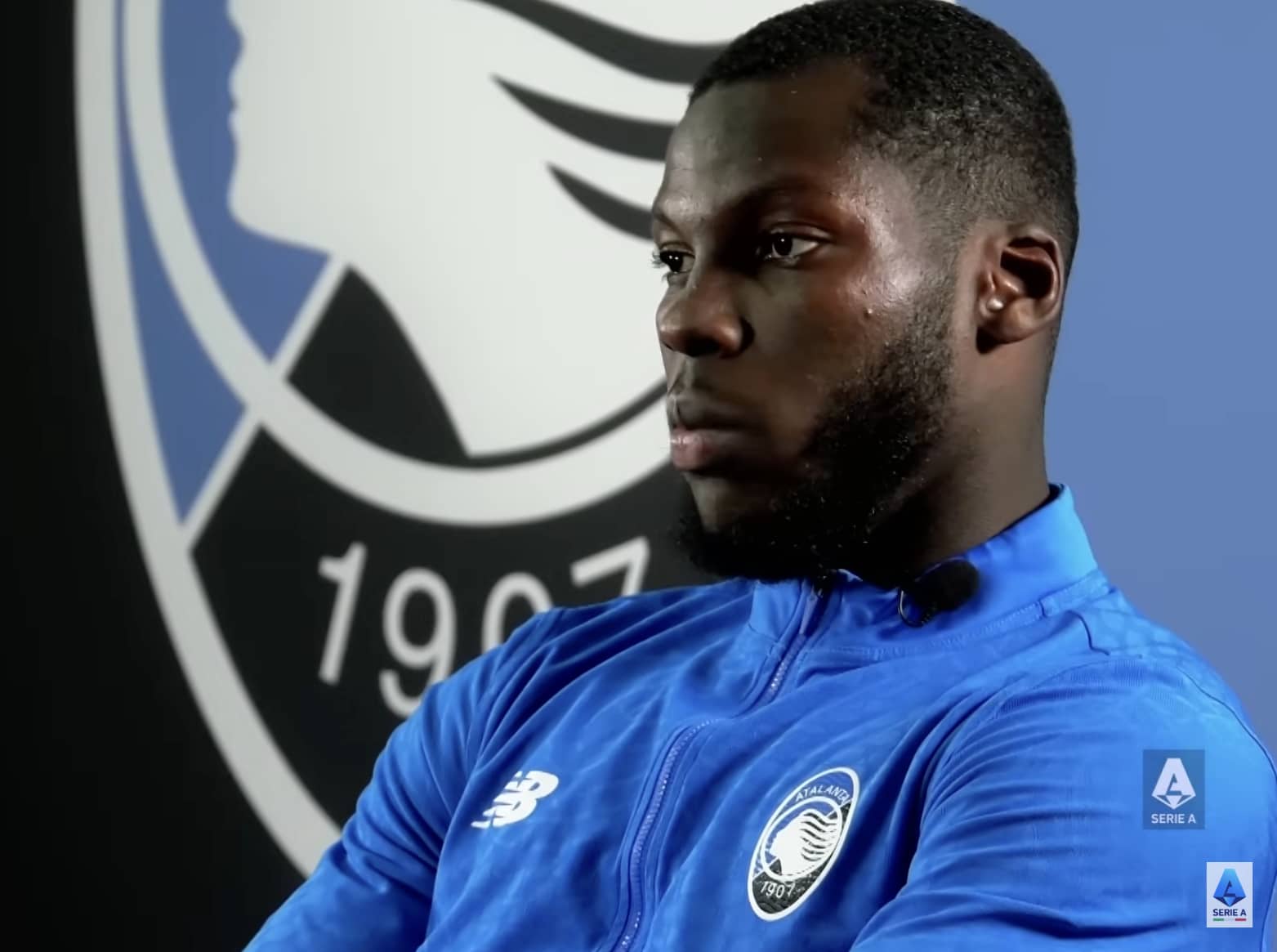
With only 100 days remaining until the world’s biggest sporting event kicks off, Yunus Musah is facing a race against time. Mauricio Pochettino is set to finalize his roster in just 12 weeks, and with only two friendly matches left on the schedule, Musah finds himself in an unfamiliar position: on the outside looking in. Despite earning nearly 50 caps and playing a pivotal role in the 2022 tournament, the veteran midfielder remains optimistic about his place in the squad, refusing to entertain the idea of the United States Men’s National Team (USMNT) competing without him.
Musah’s conviction remains unshaken. He views the upcoming tournament not just as a personal milestone, but as a platform to prove the depth of American soccer talent to a global audience. However, that very depth has become his greatest obstacle. Since his last appearance during a difficult Nations League stretch in March 2025, Musah has yet to receive a call-up from Pochettino. His departure from the national team setup coincided with a period of tactical transition, as the squad struggled to find a cohesive identity under previous leadership.
Shifting Dynamics Within the USMNT Roster
In Musah’s absence, the USMNT has undergone a significant resurgence. After hitting a low point with losses to Switzerland and Turkiye, the team found its rhythm, securing eight victories and two draws in their last twelve outings. This turnaround has seen the emergence of players like Tanner Tessmann and Sebastian Berhalter, who have provided much-needed depth behind established figures like Tyler Adams. While the team flourished, Musah’s club situation grew complicated following a summer loan move from AC Milan to Atalanta, where consistent playing time has been elusive.
Despite these hurdles, Musah remains confident that his specific profile is exactly what Pochettino needs. He describes himself as a line-breaking midfielder who relies on elite dribbling and ball progression rather than just distribution. Beyond his technical ability, he believes his experience in high-pressure environments—including the Champions League and the previous World Cup—gives him a mental edge that younger prospects may lack. His message to the coaching staff is one of total flexibility, expressing a willingness to occupy any role required to help the team succeed.
Addressing the Controversy Over International Absences
Last summer, Musah faced criticism for withdrawing from the Gold Cup squad to prioritize rest. This decision followed a grueling stretch of consecutive international summers, and critics questioned whether the move signaled a lack of commitment. However, Musah stands by his choice, viewing it as a necessary step for his long-term career health. He emphasizes that professional athletes are human beings subject to intense physical and mental strain, performing at peak levels every few days.
For Musah, the decision to reset was a “no-brainer.” He argues that after a demanding season where external pressure can weigh heavily on a player’s psyche, taking a break is essential to return at full strength. He maintains that his years of service to both club and country should earn him the benefit of the doubt when requesting a window for recovery, asserting that a healthy and focused Musah is ultimately better for the USMNT.
Overcoming Setbacks Through Professional Development
The current stagnation is a rare blip in a career that previously moved at lightning speed. A product of the Arsenal academy, Musah debuted for Valencia at 17 and became a cornerstone of the USMNT shortly after. By age 20, he was a standout performer on the world stage in Qatar. That experience remains the highlight of his life, and the memory of those matches serves as his primary motivation during his current struggles in Italy.
To break back into the national team, Musah recognizes he must first conquer the challenges at Atalanta. Under manager Rafaelle Palladino, his minutes have fluctuated. After a period of limited involvement, he saw a brief uptick in appearances around the new year, including a recent goal-scoring performance off the bench against Sassuolo. Musah is treating his limited game time as an opportunity to refine his craft, spending extra hours on the training pitch to improve his weak-foot shooting and tactical versatility.
The Significance of a Home Soil Tournament
The prospect of playing in a World Cup hosted in the United States carries deep personal meaning for Musah. Born in New York City, his journey has taken him across the globe—from London and Valencia to Milan and Bergamo. Returning to his birthplace for the pinnacle of the sport would represent the ultimate validation of the sacrifices his family has made throughout his career. For Musah, the tournament isn’t just another competition; it is a homecoming and a chance to rewrite his current narrative.
Final Thoughts on Musah’s Path Forward
Yunus Musah’s journey to the World Cup roster is currently defined by resilience rather than the rapid ascent of his early years. While he faces stiff competition and a lack of rhythm at the club level, his veteran experience and unique skill set as a ball-carrying midfielder remain valuable assets for Mauricio Pochettino. If Musah can translate his intensified training and hungry mindset into consistent minutes at Atalanta, his “geographical journey” may very well culminate in a starring role on home soil this summer.